
Guides for better websites.
Clear explanations for SEO, publishing and everyday web work.
 GUIDE
GUIDEHow to Read Index Coverage Signals: A Practical SEO Guide
A practical, reader-focused guide to how to read index coverage signals, with implementation advice, common mistakes, review steps, and maintenance considerations.
Read guide → GUIDE
GUIDEHow to Diagnose a Traffic Drop: A Practical SEO Guide
A practical, reader-focused guide to how to diagnose a traffic drop, with implementation advice, common mistakes, review steps, and maintenance considerations.
Read guide → GUIDE
GUIDEHow to Measure Useful Website Engagement
A practical, reader-focused guide to how to measure useful website engagement, with implementation advice, common mistakes, review steps, and maintenance considerations.
Read guide →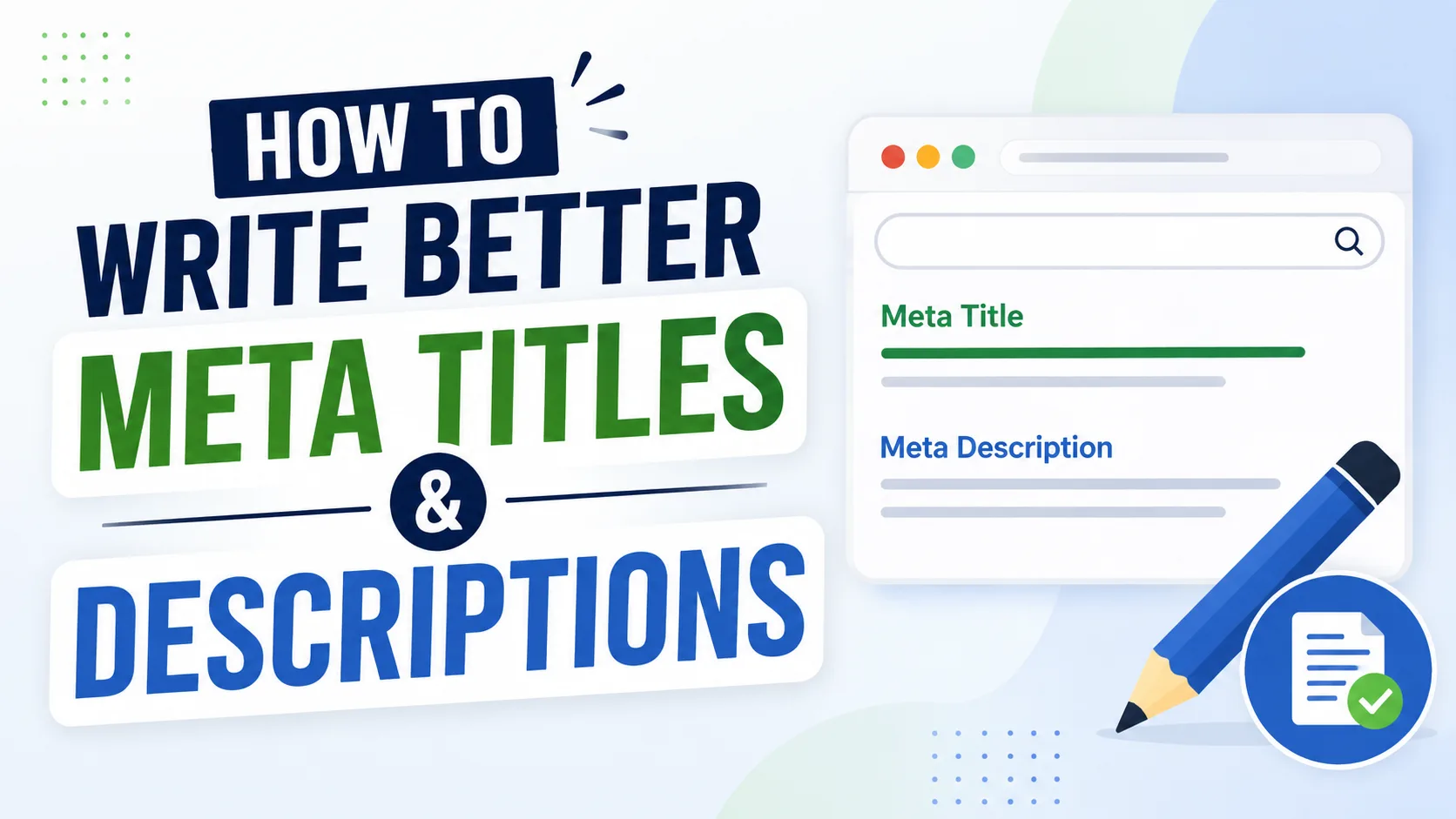 GUIDE
GUIDEHow to Write Better Meta Titles and Descriptions
Learn how to write meta titles and descriptions that are clear, honest, and click-worthy — with a simple checklist to review before you publish.
Read guide →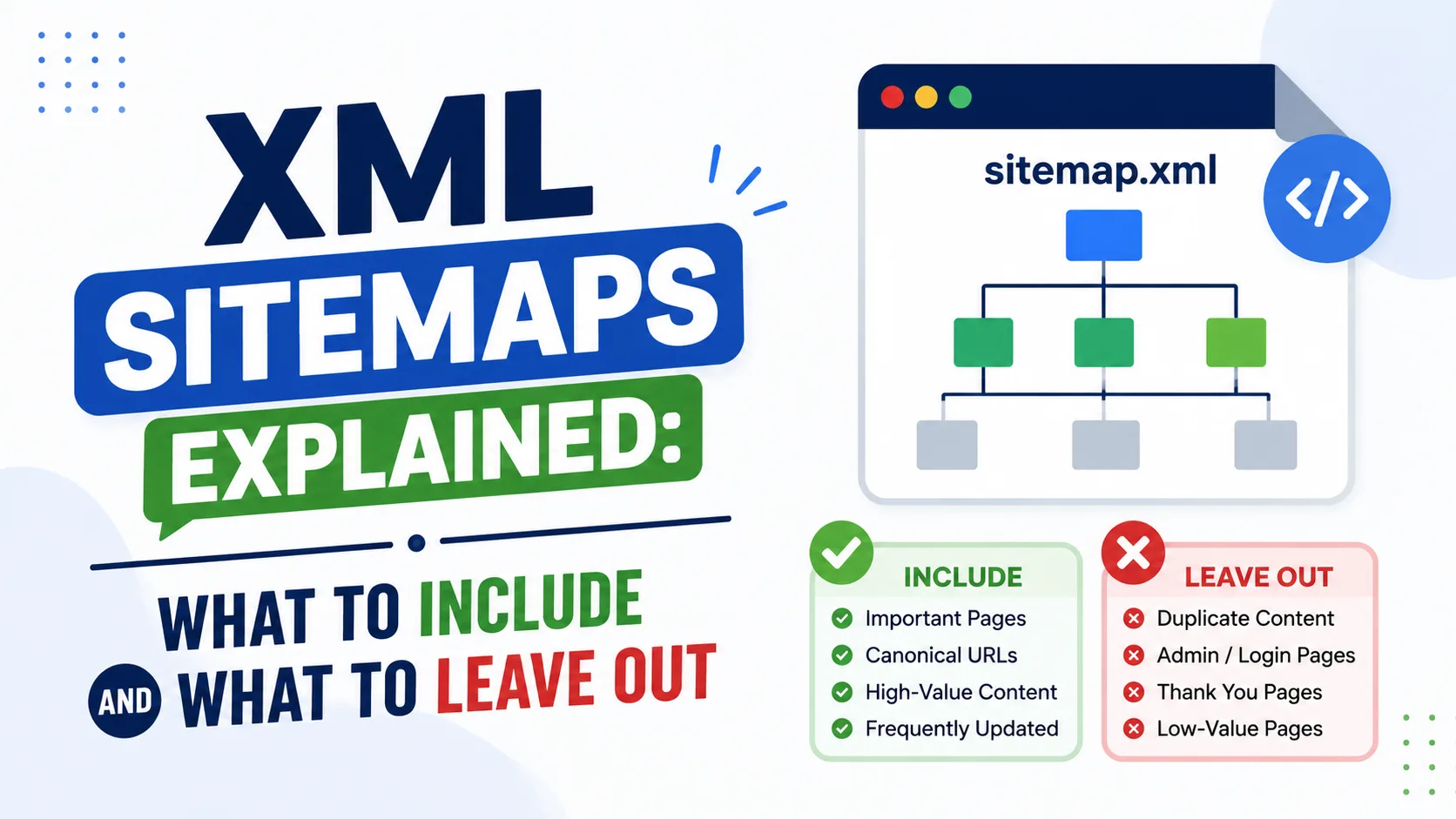 GUIDE
GUIDEXML Sitemaps Explained: What to Include and What to Leave Out
An XML sitemap is a structured list of URLs that helps search engines discover pages a site owner considers important. It is a discovery aid, not a command that guarantees indexing or rankin
Read guide → GUIDE
GUIDEWebP, JPEG and PNG: Choosing the Right Image Format
There is no single image format that is best for every situation. Photographs, screenshots, logos and transparent graphics have different requirements. Good web image optimization combines f
Read guide → GUIDE
GUIDEKeyword Density: Why Context Matters More Than a Percentage
Keyword density produces a percentage, which can make it look more authoritative than it really is. The number is useful for finding repetition, but it cannot determine whether a page is acc
Read guide → GUIDE
GUIDESchema Markup: What Structured Data Can and Cannot Do
Structured data gives search engines machine-readable information about a page. It can describe an article, business, procedure, questions and other supported entities. Its purpose is to cla
Read guide →GUIDEA Practical Guide to Robots.txt Without Blocking Your Own Site
Robots.txt is a small text file with potentially large consequences. One broad rule can affect how crawlers access a large part of a website, so the safest approach is to keep rules narrow,
Read guide →GUIDEHow to Compress Images Without Making Them Look Bad
Image compression is a balance between transfer size and visual quality. The best workflow does not simply push a quality slider to the lowest possible value. Dimensions, format, image conte
Read guide →GUIDEHow to Prepare a Website Before Adding Advertising
Advertising should be an additional layer on a useful website, not a substitute for useful content. Before adding ads, make sure visitors understand the site's purpose, can use the tools eas
Read guide →